arrowarrow

Sustainable Construction: Eco-Friendly Materials and Techniques
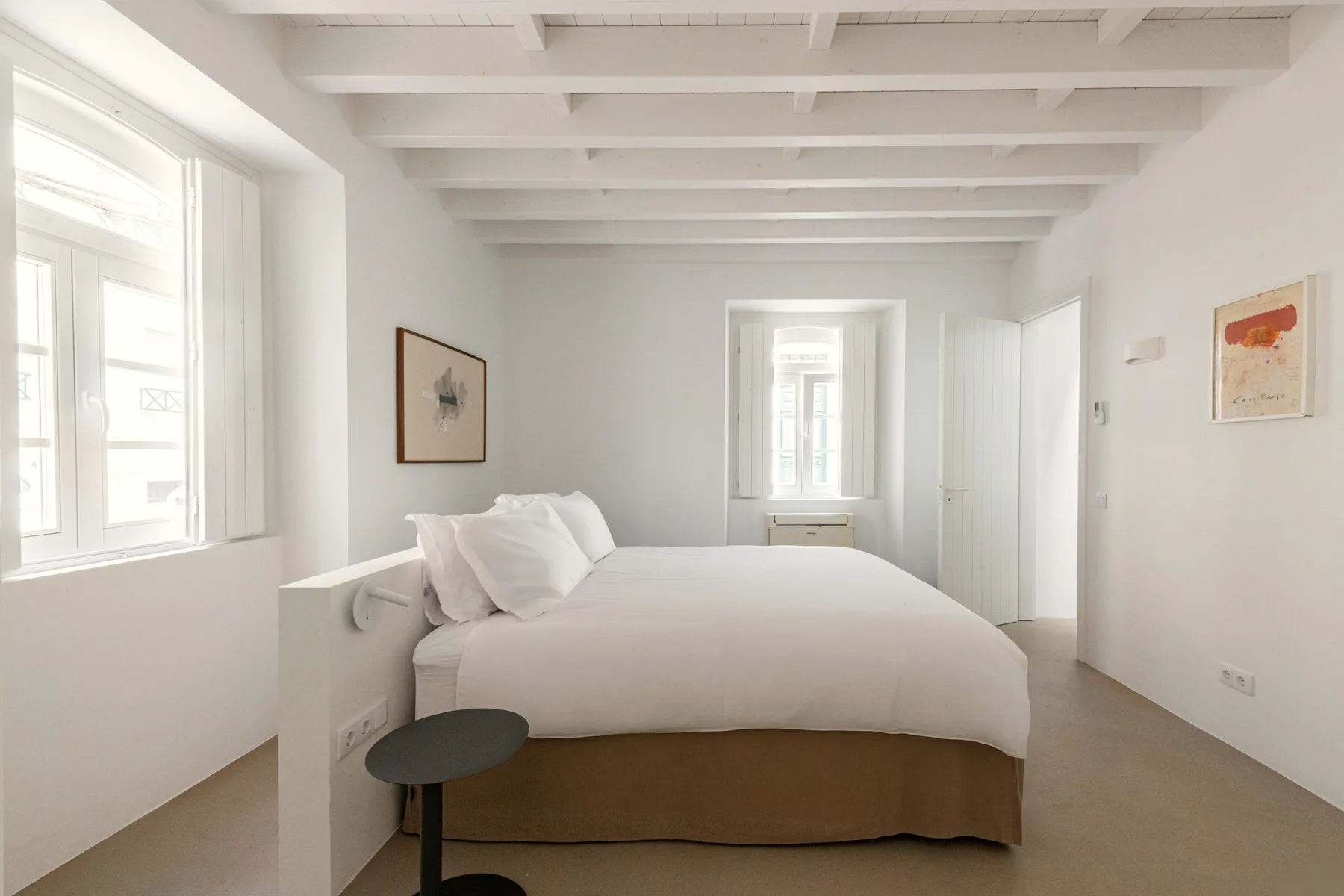

Practical sustainable construction principles for the Algarve, combining passive design, responsible materials, water, energy and long life.
Cristiano Cristóvão
21 November 2024
Sustainable Construction: Eco-Friendly Materials and Techniques
Back to the blog
21 November 2024
Cristiano Cristóvão
Cristóvão & Fernandez
socialsocialsocial

Sustainable Construction: Eco-Friendly Materials and Techniques

Sustainability is not the addition of green equipment to an inefficient building. It begins with location, size, orientation and the ability to last. The lower-impact solution often uses less material, prevents overheating and can be repaired without replacing complete systems.

A successful building project is not created by one isolated decision. It grows from a coherent sequence of choices, checks and records made by people working from the same information. In the Algarve, climate, solar exposure, proximity to the coast, ground conditions and seasonal labour all influence design and delivery. Read this guide as a preparation method: it helps you ask better questions, compare options and establish a decision log before committing the budget and programme.

Organise the project around approval gateways. At each gateway, confirm what was decided, who approved it, which document changed and how cost or time may be affected. A shared folder should separate current information from superseded versions, while a short open-item register keeps attention on matters that could stop progress. This discipline matters particularly when the owner lives outside Portugal: contextual photographs, concise minutes and explicit approvals replace scattered messages and make remote oversight possible without turning every small detail into another meeting.

Reduce demand through design

External shade, cross ventilation, thermal mass, continuous insulation and proportioned openings reduce energy demand before equipment is selected.

Begin by turning expectations into criteria that can be checked. Define priorities, limits and responsibilities in writing, separating essential outcomes from optional improvements. An initial meeting should produce a scope summary, a list of missing information and dates for each decision. Photographs, references and examples are useful, but they do not replace dimensions or specifications. When everyone works from the same brief, late changes become less likely and competing proposals can be assessed on an equal basis.

Choose materials by life cycle

Origin, embodied energy, toxicity, durability, transport, maintenance and end of life should be assessed together instead of through one label.

A site visit is a technical tool rather than a formality. Observe access, levels, orientation, prevailing wind, drainage, neighbouring buildings and signs of damp or movement. Record what is visible and identify where opening-up, surveys or testing are required. In an existing property, confirm materials and systems before selecting an intervention. This reading prevents generic solutions and allows the detail to respond to physical conditions, planning constraints and the way the space will actually be occupied.

Use local resources and skills well

Stone, cork, certified timber and climate-aware methods can reduce transport and simplify care when specified for the right application.

Coordination between architecture, engineering and construction must happen before the site team starts. Plans, sections, door and window schedules, services and details need to describe the same building. Junctions between structure, waterproofing, insulation, frames and installations are risk areas that deserve enlarged drawings. A technically sound decision can still fail when it arrives late or is not communicated. Reviewing clashes together costs very little compared with demolition and rework.

Manage water as a system

Efficient fittings, leak detection, adapted planting, permeability and possible reuse should respect quality, regulation and actual needs.

A useful cost plan includes quantities, exclusions and clear assumptions. Compare quotations line by line instead of looking only at the final number. Keep a contingency that reflects uncertainty, particularly in refurbishment, and protect essential outcomes before adding decorative upgrades. Long-lead materials require early approval. A procurement schedule linked to the programme prevents rushed substitutions, poor storage and teams waiting on site for one decisive component.

Measure performance and maintain it

Meters, commissioning, a user guide and preventive care turn environmental intent into visible results throughout the building’s life.

During construction, quality comes from a repeatable method: approve a sample, agree the sequence, inspect before covering and record every change. Hold short meetings with named owners and dates, and photograph services that will become concealed. Check substrates before finishes and test systems before handover. At completion, collect warranties, technical sheets, as-built drawings and a maintenance plan. Physical work may finish, but lasting performance depends on information that remains with the building.

  1. passive strategy
  2. material schedule
  3. water plan
  4. sized equipment
  5. user guide

The client also holds a technical role: decide within agreed dates, communicate one priority clearly and avoid issuing instructions to trades outside the established coordination route. Asking for alternatives is healthy when each option states price, performance and maintenance. The decision then moves beyond the most attractive image and supports the long-term behaviour of the building.

Sustainable construction reduces waste now and dependency later. A compact, shaded, ventilated, well-insulated and repairable building can deliver more benefit than a complex system whose operation nobody understands.

Sustainable Construction: Eco-Friendly Materials and Techniques
Portimão · Algarve · Cristóvão & Fernandez

Before moving forward, turn these recommendations into a checklist tailored to your property. Confirm dimensions, existing conditions and responsibilities with the appointed professionals, record the options compared, and connect every approval to the cost plan and programme. This exercise makes conversations more objective, exposes conflicts earlier and gives the whole team one reliable reference throughout preparation, construction and handover. When in doubt, always confirm the technical and administrative requirements that apply to the location before appointing contractors or starting work.
Services

Sustainable Construction: Eco-Friendly Materials and Techniques

Sustainability is not the addition of green equipment to an inefficient building. It begins with location, size, orientation and the ability to last. The lower-impact solution often uses less material, prevents overheating and can be repaired without replacing complete systems.

A successful building project is not created by one isolated decision. It grows from a coherent sequence of choices, checks and records made by people working from the same information. In the Algarve, climate, solar exposure, proximity to the coast, ground conditions and seasonal labour all influence design and delivery. Read this guide as a preparation method: it helps you ask better questions, compare options and establish a decision log before committing the budget and programme.

Organise the project around approval gateways. At each gateway, confirm what was decided, who approved it, which document changed and how cost or time may be affected. A shared folder should separate current information from superseded versions, while a short open-item register keeps attention on matters that could stop progress. This discipline matters particularly when the owner lives outside Portugal: contextual photographs, concise minutes and explicit approvals replace scattered messages and make remote oversight possible without turning every small detail into another meeting.

Reduce demand through design

External shade, cross ventilation, thermal mass, continuous insulation and proportioned openings reduce energy demand before equipment is selected.

Begin by turning expectations into criteria that can be checked. Define priorities, limits and responsibilities in writing, separating essential outcomes from optional improvements. An initial meeting should produce a scope summary, a list of missing information and dates for each decision. Photographs, references and examples are useful, but they do not replace dimensions or specifications. When everyone works from the same brief, late changes become less likely and competing proposals can be assessed on an equal basis.

Choose materials by life cycle

Origin, embodied energy, toxicity, durability, transport, maintenance and end of life should be assessed together instead of through one label.

A site visit is a technical tool rather than a formality. Observe access, levels, orientation, prevailing wind, drainage, neighbouring buildings and signs of damp or movement. Record what is visible and identify where opening-up, surveys or testing are required. In an existing property, confirm materials and systems before selecting an intervention. This reading prevents generic solutions and allows the detail to respond to physical conditions, planning constraints and the way the space will actually be occupied.

Use local resources and skills well

Stone, cork, certified timber and climate-aware methods can reduce transport and simplify care when specified for the right application.

Coordination between architecture, engineering and construction must happen before the site team starts. Plans, sections, door and window schedules, services and details need to describe the same building. Junctions between structure, waterproofing, insulation, frames and installations are risk areas that deserve enlarged drawings. A technically sound decision can still fail when it arrives late or is not communicated. Reviewing clashes together costs very little compared with demolition and rework.

Manage water as a system

Efficient fittings, leak detection, adapted planting, permeability and possible reuse should respect quality, regulation and actual needs.

A useful cost plan includes quantities, exclusions and clear assumptions. Compare quotations line by line instead of looking only at the final number. Keep a contingency that reflects uncertainty, particularly in refurbishment, and protect essential outcomes before adding decorative upgrades. Long-lead materials require early approval. A procurement schedule linked to the programme prevents rushed substitutions, poor storage and teams waiting on site for one decisive component.

Measure performance and maintain it

Meters, commissioning, a user guide and preventive care turn environmental intent into visible results throughout the building’s life.

During construction, quality comes from a repeatable method: approve a sample, agree the sequence, inspect before covering and record every change. Hold short meetings with named owners and dates, and photograph services that will become concealed. Check substrates before finishes and test systems before handover. At completion, collect warranties, technical sheets, as-built drawings and a maintenance plan. Physical work may finish, but lasting performance depends on information that remains with the building.

  1. passive strategy
  2. material schedule
  3. water plan
  4. sized equipment
  5. user guide

The client also holds a technical role: decide within agreed dates, communicate one priority clearly and avoid issuing instructions to trades outside the established coordination route. Asking for alternatives is healthy when each option states price, performance and maintenance. The decision then moves beyond the most attractive image and supports the long-term behaviour of the building.

Sustainable construction reduces waste now and dependency later. A compact, shaded, ventilated, well-insulated and repairable building can deliver more benefit than a complex system whose operation nobody understands.

Sustainable Construction: Eco-Friendly Materials and Techniques
Portimão · Algarve · Cristóvão & Fernandez

Before moving forward, turn these recommendations into a checklist tailored to your property. Confirm dimensions, existing conditions and responsibilities with the appointed professionals, record the options compared, and connect every approval to the cost plan and programme. This exercise makes conversations more objective, exposes conflicts earlier and gives the whole team one reliable reference throughout preparation, construction and handover. When in doubt, always confirm the technical and administrative requirements that apply to the location before appointing contractors or starting work.
Services

Design is not just what it looks like, it's how it feels.
iconicon

Sustainable Construction: Eco-Friendly Materials and Techniques

Sustainability is not the addition of green equipment to an inefficient building. It begins with location, size, orientation and the ability to last. The lower-impact solution often uses less material, prevents overheating and can be repaired without replacing complete systems.

A successful building project is not created by one isolated decision. It grows from a coherent sequence of choices, checks and records made by people working from the same information. In the Algarve, climate, solar exposure, proximity to the coast, ground conditions and seasonal labour all influence design and delivery. Read this guide as a preparation method: it helps you ask better questions, compare options and establish a decision log before committing the budget and programme.

Organise the project around approval gateways. At each gateway, confirm what was decided, who approved it, which document changed and how cost or time may be affected. A shared folder should separate current information from superseded versions, while a short open-item register keeps attention on matters that could stop progress. This discipline matters particularly when the owner lives outside Portugal: contextual photographs, concise minutes and explicit approvals replace scattered messages and make remote oversight possible without turning every small detail into another meeting.

Reduce demand through design

External shade, cross ventilation, thermal mass, continuous insulation and proportioned openings reduce energy demand before equipment is selected.

Begin by turning expectations into criteria that can be checked. Define priorities, limits and responsibilities in writing, separating essential outcomes from optional improvements. An initial meeting should produce a scope summary, a list of missing information and dates for each decision. Photographs, references and examples are useful, but they do not replace dimensions or specifications. When everyone works from the same brief, late changes become less likely and competing proposals can be assessed on an equal basis.

Choose materials by life cycle

Origin, embodied energy, toxicity, durability, transport, maintenance and end of life should be assessed together instead of through one label.

A site visit is a technical tool rather than a formality. Observe access, levels, orientation, prevailing wind, drainage, neighbouring buildings and signs of damp or movement. Record what is visible and identify where opening-up, surveys or testing are required. In an existing property, confirm materials and systems before selecting an intervention. This reading prevents generic solutions and allows the detail to respond to physical conditions, planning constraints and the way the space will actually be occupied.

Use local resources and skills well

Stone, cork, certified timber and climate-aware methods can reduce transport and simplify care when specified for the right application.

Coordination between architecture, engineering and construction must happen before the site team starts. Plans, sections, door and window schedules, services and details need to describe the same building. Junctions between structure, waterproofing, insulation, frames and installations are risk areas that deserve enlarged drawings. A technically sound decision can still fail when it arrives late or is not communicated. Reviewing clashes together costs very little compared with demolition and rework.

Manage water as a system

Efficient fittings, leak detection, adapted planting, permeability and possible reuse should respect quality, regulation and actual needs.

A useful cost plan includes quantities, exclusions and clear assumptions. Compare quotations line by line instead of looking only at the final number. Keep a contingency that reflects uncertainty, particularly in refurbishment, and protect essential outcomes before adding decorative upgrades. Long-lead materials require early approval. A procurement schedule linked to the programme prevents rushed substitutions, poor storage and teams waiting on site for one decisive component.

Measure performance and maintain it

Meters, commissioning, a user guide and preventive care turn environmental intent into visible results throughout the building’s life.

During construction, quality comes from a repeatable method: approve a sample, agree the sequence, inspect before covering and record every change. Hold short meetings with named owners and dates, and photograph services that will become concealed. Check substrates before finishes and test systems before handover. At completion, collect warranties, technical sheets, as-built drawings and a maintenance plan. Physical work may finish, but lasting performance depends on information that remains with the building.

  1. passive strategy
  2. material schedule
  3. water plan
  4. sized equipment
  5. user guide

The client also holds a technical role: decide within agreed dates, communicate one priority clearly and avoid issuing instructions to trades outside the established coordination route. Asking for alternatives is healthy when each option states price, performance and maintenance. The decision then moves beyond the most attractive image and supports the long-term behaviour of the building.

Sustainable construction reduces waste now and dependency later. A compact, shaded, ventilated, well-insulated and repairable building can deliver more benefit than a complex system whose operation nobody understands.

Sustainable Construction: Eco-Friendly Materials and Techniques
Portimão · Algarve · Cristóvão & Fernandez

Before moving forward, turn these recommendations into a checklist tailored to your property. Confirm dimensions, existing conditions and responsibilities with the appointed professionals, record the options compared, and connect every approval to the cost plan and programme. This exercise makes conversations more objective, exposes conflicts earlier and gives the whole team one reliable reference throughout preparation, construction and handover. When in doubt, always confirm the technical and administrative requirements that apply to the location before appointing contractors or starting work.
Services